Blog Archives
Desperately Seeking Sleep
So you made up your mind to start eating healthier foods and exercise. You cut back on sweets, started eating more fruits, veggies and whole grains and added some sort of physical activity to your daily routine three to five times each week. You feel better, but your energy level isn’t optimal. If that’s the case, you’re probably missing out on the one thing most people can’t seem to get enough of: sleep.
Why do we need sleep? Research shows along with helping us stay energized, sleep helps regulate our mood and learn and retain valuable information. There are even studies out there linking inadequate sleep to weight gain. I love to sleep, but unfortunately, thanks to my type A personality, my mind often keeps me from enjoying this necessary pastime.
 On one such night not too long ago, I thought I’d experiment with something I hoped would help me, a popular over-the-counter relaxation shot called “Dream Water.” (You’ll usually find it not far away from the “5-Hour Energy” shots in the drug store.) According to the product’s website, the 2.5-ounce shot contains three active ingredients to produce relaxation and sleep:
- Gamma-Amino Butyric Acid (“GABA”)
- Melatonin
- 5-HTP
I liked the shot’s blueberry flavor, but did it help me sleep? I doubt it. While I didn’t experience any negative side effects like I did when I tried the 5-Hour Energy shot last month, I didn’t notice any changes in my relaxation level to make me want to run out and buy some more.
If you have any surefire ways to promote sleep, I would love to hear from you! Right now, the only “tricks” that do work for me (though not every time) include:
- No caffeinated beverages after 3 pm
- Wrapping up my workout at least two hours before getting into bed
- A hot shower
- 300 Micrograms (mcg) of Melatonin
I also highly recommend leaving the texting and typing outside the bedroom and read a book or magazine instead.
If you’ve made the commitment to take better care of yourself, don’t overlook the power of sleep and its cruicial role in helping all of us have fun, be fit and feel fabulous!
Should I Exercise When I’m Sick?
 One of the benefits of exercise is that it boosts your immune system. However, even the biggest fitness fanatics can get sick now and then thanks to a laundry list of reasons including:
-
Mental stress
-
Lack of sleep
-
Poor nutrition
For me, when I have a series of days filled with 5-am call times, outdoor shoots in cold or hot weather, tight deadlines, a too-full social calendar and not enough sleep, I can actually feel my body getting rundown. Sure enough, I am heading into this weekend battling the classic symptoms of a common cold – a sore throat, serious head congestion and fatigue. So, I figured it was the perfect time to tackle the question of whether it’s good or bad to workout when you’re sick.
The American College of Sports Medicine has outlined what you could call the “above/below-the-neck rule.” If your symptoms are like mine, studies show mild-to-moderate exercise isn’t harmful. This could include low/moderate intensity cardio, which is a cardiovascular workout that almost constantly keeps your heart rate in a range that is between 60-80% of your maximum heart rate. (Reminder: to calculate max heart rate: 220-your age) However, ACSM recommends you skip the heavy weight training or high-intensity cardio until you do beat your cold. Working out at too high an intensity when you’re fighting a bug puts extra stress on the body and can further compromise the immune system.
One note if you are able to exercise and you head to a gym: do your fellow gym members a favor and wipe down any equipment you use with the anti-bacterial spray that’s sure to be made available by the facility. It’s just common courtesy.
As for the below-the-neck rule: If you have stomach issues that include vomiting, diarrhea, a severe cough or a fever, ACSM says you should take a break from exercise until whatever’s ailing you has run its course. Also, if you’re knocked out by a serious bug for several days, remember to take it easy on your first day back in action. Your body could be recovering from mild dehydration and overall fatigue, so don’t jump out of bed and rush back to your highest-intensity cardio class as soon as your fever breaks.
I’ve said it before and I’ll say it again: listen to your body! This morning, I planned to get in a pre-work workout because of after-work plans, but when my alarm went off, I was simply too tired and too achey to get out of bed. Instead, I added a couple of extra blocks to my walk to work by going to a different place to get my morning coffee. I truly believe getting that extra hour of sleep will help me beat this bug faster than if I had pushed myself too hard.
While a minimum of one day of rest each week is important, when you’re sick, you may need one (or two) more. Don’t sweat it. Just rest up, drink your fluids and before you know it, you’ll be back on your feet so you can have fun, be fit and feel fabulous!
Buy This Book!

Available at Amazon.com
When I entered the blogosphere back in July, my friend Paula Rizzo, The List Producer, gave me some good advice about how to select my topics. One tip was to write about the things that have helped me in my own fitness journey: a book, an exercise DVD or even a favorite group exercise class. So, today I want to tell you about the book that belongs on everyone’s shelf, regardless of your fitness level: Fitness or Fiction: The Truth About Diet and Exercise by Brent Brookbush, MS, PES, CES, CSCS, ACSM-H/FS.
Brent spent more than six years investigating the facts to shatter more than 60 myths surrounding diet and exercise including:
Myth #2: Carbohydrates are your enemy. What You Should Know: Excess calories are your enemy, not carbs!
Myth #24: Products that target my inner thighs, abs, and back of my arms are an important part of my exercise routine. What You Should Know: Don’t waste your time.
Myth #58: Sweating is good indicator of intensity, and is a great way to lose weight. What You Should Know: Sweat is not a reliable indicator of intensity.
or fat loss.
Each myth is debunked through extensive research – more than 600 references are cited in the book – and the facts are presented in plain English. (There are also great photographs that illustrate proper form for a wide variety of exercises.) There are no gimmicks, no fads and no empty promises. Whether you are a fitness novice or industry professional, Fitness or Fiction gives you the tools you need to build a program that will produce the results you want.

Brent Brookbush
Since 1998, Brent has educated thousands of personal trainers, written and consulted for various fitness magazines, and has been a revered personal trainer. He is also president of B2C Fitness, where he continues to develop cutting-edge training and development systems and educational publications for fitness professionals. Currently, he is an Instructor for PowerPlate, NASM, and B2C Fitness. In fact, he was my Instructor (along with Rick Richey) at the NASM Personal Fitness Workshop I took in March to help prepare for my CPT exam.
As a lifetime fitness enthusiast, novice blogger and recently NASM certified personal trainer, I know this book will become a primary reference when looking for ways to challenge myself or help others in their fitness journey. Adding Fitness or Fiction to your book collection is a surefire way to have fun, be fit and feel fabulous!
Cross Training
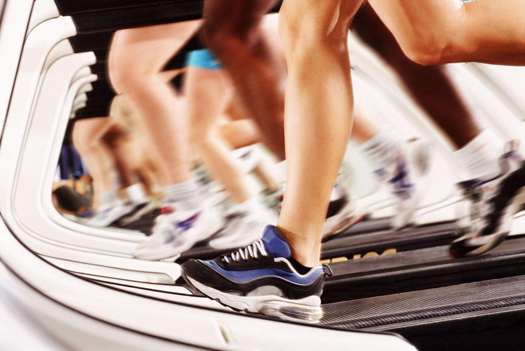 I hope you enjoyed some rest and recovery time over the weekend. As you outline your attack plan on how to fit fitness into the week ahead, I offer this bit of advice: mix things up a bit.
Whether you’re a fitness novice, getting back to a routine or have been exercising for years, variety can make the world of difference when it comes to sticking with a fitness regimen and also preventing injuries. Doing the same routine day after day causes repetitive stress and can lead to overuse and stress-related injuries. Some of the more common ones include:
- Chondromalacia patella (often referred to as “runner’s knee”): An overuse injury causing pain in the kneecap. Pain can occur from weight-bearing knee flexion activities like squats or sitting for long periods of time with bent knees. Symptoms may also include swelling or grating noises.
- Stress fractures: Microscopic fractures usually to a weight-bearing bone like the tibia in the leg or metatarsals in the feet.
- Tendonitis: Inflammation in the connective tissue that joins bone to bone. (One common form is “tennis elbow”)
If you love group exercise classes, one of the easiest ways to avoid overuse injuries is to mix up your schedule. For example, the twisting, dance-like movements executed in Zumba classes put extra stress on your knees and can be damaging if the surrounding muscles (e.g. the quadriceps) are weak. The same can be said of cardio kickboxing. Repetitive high kicks and other movements places stress on the hip region. If any of the above mentioned exercises are not performed in proper form, the risk of injury is even greater.
I am not saying you can’t take your favorite group ex class multiple times during the week, but try to give yourself a day in between to allow the muscle groups to repair and recover. If you’re a five-day-a-week-group-ex “addict,” here’s a possible schedule:
- Monday: Cardio kick
- Tuesday: Pilates mat (Followed by 30 minutes of cardio)
- Wednesday: Zumba
- Thursday: Pilates mat or Yoga
- Friday: Cardio kick or Zumba
The same can be said for strength training. Most beginners should aim for a resistance training workout of two days per week and not on consecutive days. If your schedule forces you to strength train on back-to-back days, split the muscle groups over two days.
Stretching is one activity you can do every day of the week. One of my personal fitness goals this year has been to incorporate more flexibility training into my routine. If only I had made that goal a priority earlier in my life, I’m sure I could have avoided many trips to the doctor along with multiple X-rays and MRIs.
That being said, we can all push ourselves a little too hard at times. However, if a couple days of rest, ice and over-the-counter anti-inflammatories don’t alleviate the pain, you should talk to your doctor. Preventing injuries is one of the most important things you can do to ensure your body and mind are working together to have fun, be fit and feel fabulous!
The Importance of Rest

Take a Break from the Weights!
Earlier this week, I offered some cardio guidelines to help beginners get their heart rates going. Now that we’ve made it to another Friday, I thought talking about the importance of letting the body rest and recover was a good way to head into the weekend.
Whatever your fitness focus – running, weight training, participating in group exercise classes – rest is an essential component of your exercise routine. If you don’t allow your body to rest and recover, you’re simply putting yourself at risk for overtraining. That can lead to a gamut of problems including injury and overall fatigue. AFAA’s Fitness: Theory & Practice (Fifth Edition) describes the following as symptoms of overtraining:
- Fatigue
- Anemia
- Amenorrhea (when a woman stops getting her monthly period)
- Overuse or stress-related injuries (e.g. stress fractures, tennis elbow and runner’s knee)
- Increased resting heart rate
- Slower recovery of heart rate
- Decrease in strength performance
- Constant muscle pain or soreness when moving, bordering on pain
Avoiding these symptoms doesn’t have to be difficult. Just give yourself a break now and then! A rest day allows for muscular repair and recovery of the central nervous system. I always give myself at least one day off from the gym every week. For those of you who can’t imagine even one day without activity, you can still take a leisurely walk or bike ride, or maybe you can substitute that strength or cardio class with an extra-long session of stretching.
On the other hand, if you want to enjoy a rest day curled up on the couch in your kick-around clothes reading a good book or catching up with your DVR, go for it! Remember, taking a rest day doesn’t mean you’re being lazy. It only means you’re giving your body the strength to get back in the game so you can have fun, be fit and feel fabulous!
Window of Opportunity
As we start a new work week filled with new opportunities, I thought I’d offer yet another motivating factor to make exercise a part of your daily routine: Excess Post-Exercise Oxygen Consumption or EPOC. If one of your fitness goals if body fat reduction, consider EPOC your new best friend.
In the simplest of terms, EPOC is the state in which the body’s metabolism is elevated after exercise. During this period of time, the body burns more calories than it did before you started your workout. (Many fitness professionals refer to this as exercise or caloric afterburn.) Since body fat reduction involves burning more calories than you consume, isn’t it good to know that burn doesn’t stop when your total body conditioning class is over? Thanks to EPOC, the burn goes on -which makes it the perfect time to recharge with a healthy meal.
Why does the body need more oxygen after exercise? The main reason is so it can get back to its resting state which involves:
1. Replenishing energy stores (ATP and muscle glycogen)
2. Re-oxygenating the blood
3. Restoring tissue temperature
4. Restoring pre-exercise respiratory and heart rates
There is conflicting information about the duration of EPOC and whether gender factors into the time limit. In my personal experience, my favorite group exercise instructors and personal trainers have given me an EPOC window of 90 minutes. That means I make it point to eat a healthy meal within that timeframe. After getting the heart racing and muscles moving, why waste the chance to burn some extra calories?
I should point out EPOC in itself isn’t the sole reason for body fat reduction or weight loss, but for someone new to fitness, it’s a big boost. As your fitness level increases, so should your exercise intensity, and you will also want to consider adding variety to your routine. For example, many studies show instead of relying solely on the treadmill for your cardio workout, circuit training could be a new way to add variety and intensity to your routine, leading to greater levels of EPOC and strength.
Regardless of your fitness level, I thought it would be helpful to shed some light on why you should take advantage of your post-workout window of opportunity when it comes to re-fueling with food. It’s good to know that once you make the commitment to take care of yourself, the body possesses its own physiological phenomenons to help us have fun, be fit and feel fabulous!
Fast Fitness
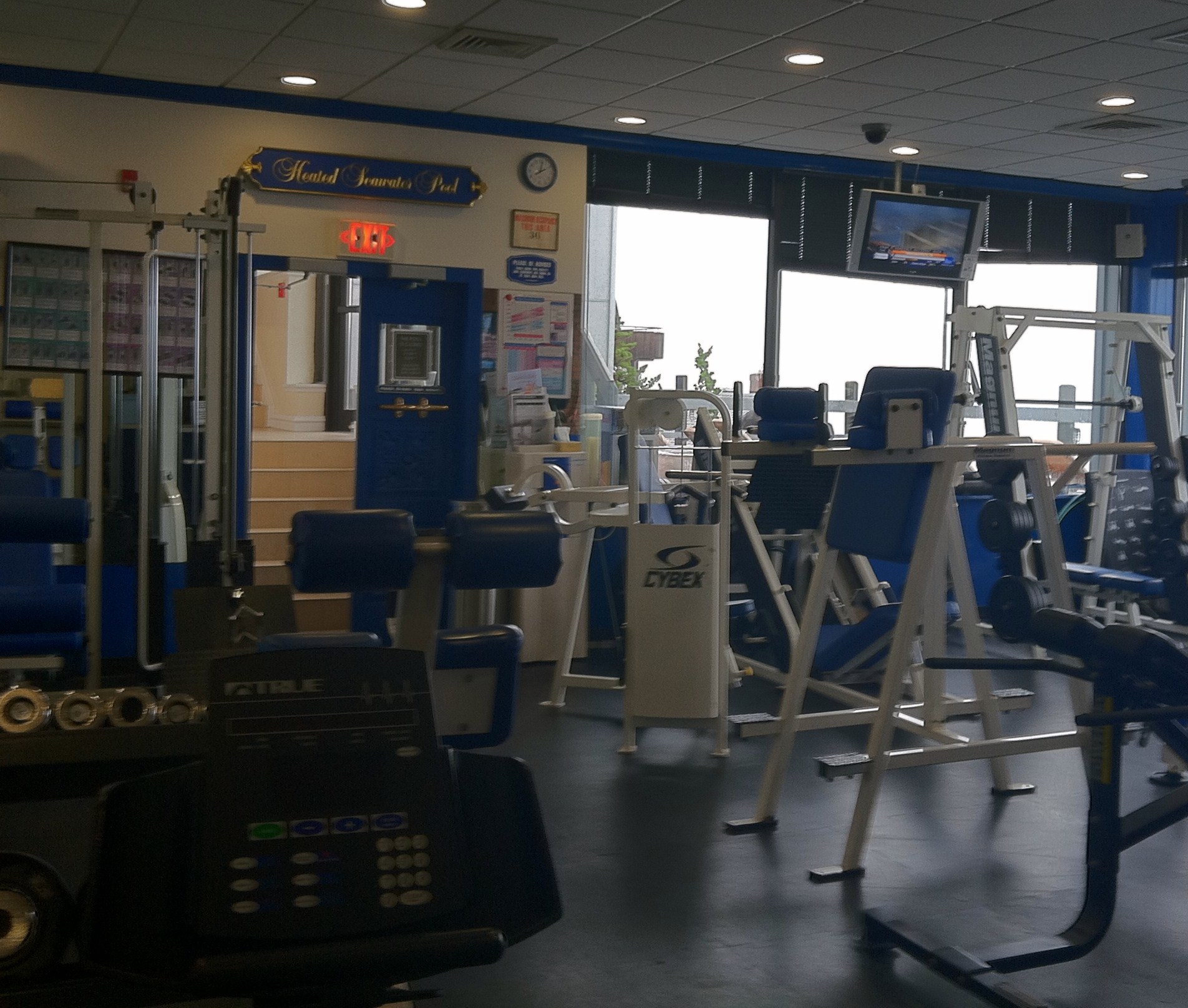 Welcome to another fast and furious Friday installment of LauraLovesFitness! As I anxiously await the end of what has felt like a marathon week at the office, I thought it was the perfect time to offer an idea for those days when you just don’t feel like you have enough time for a good workout at the gym.
As a member of New York Sports Club, I have access to something I really love called the “XPress Line.” It is a separate area on the gym floor consisting of eight machines that work all your major muscle groups. (NYSC claims you can do it in 22 minutes, but I contest that depends on how many sets you do of each machine.) Even if you don’t belong to NYSC, these are eight machines that you can search out in your gym and create your own express workout wherever you go.
- Leg press – quadriceps, hamstrings and gluteals
- Leg extension – quadriceps
- Seated leg curl – hamstrings
- Lat pulldown – biceps brachii, latissimus dorsi and serratus anterior
- Overhead press – deltoids, triceps and upper trapezius
- Vertical chest press – pectoralis major, pectoralis minor, anterior deltoid, triceps
- Bicep curl – biceps brachii, brachialis, forearm flexors
- Tricep extension – triceps
For my “quick” workout, I will do 30 minutes of cardio on the elliptical either before or after making my way through the eight machines listed above. To keep my general fitness in check, I aim for three sets of 10-12 reps on each machine. (Beginners should aim for one set of 12-20 reps on each machine.) After the machines, I’ll find a spot on the floor to do crunches and planks to get my core burning. I wrap up the program with static stretches and using the foam roller for self-myofascial release. (A future blog topic.) So, in about an hour, I get the heart rate up, break a good sweat and feel really good about getting all my muscle groups moving.
If you are new to the gym, I can’t stress how important it is to asking a trainer or other gym staff member about the proper way to use the machines. If you’re the shy type, then bring a friend along who can show you a thing or two on the gym floor. You don’t want to risk getting injured and sitting on the sidelines. It’s much more fun to experiment with all the ways you can have fun, be fit and feel fabulous!
Energy Boost?
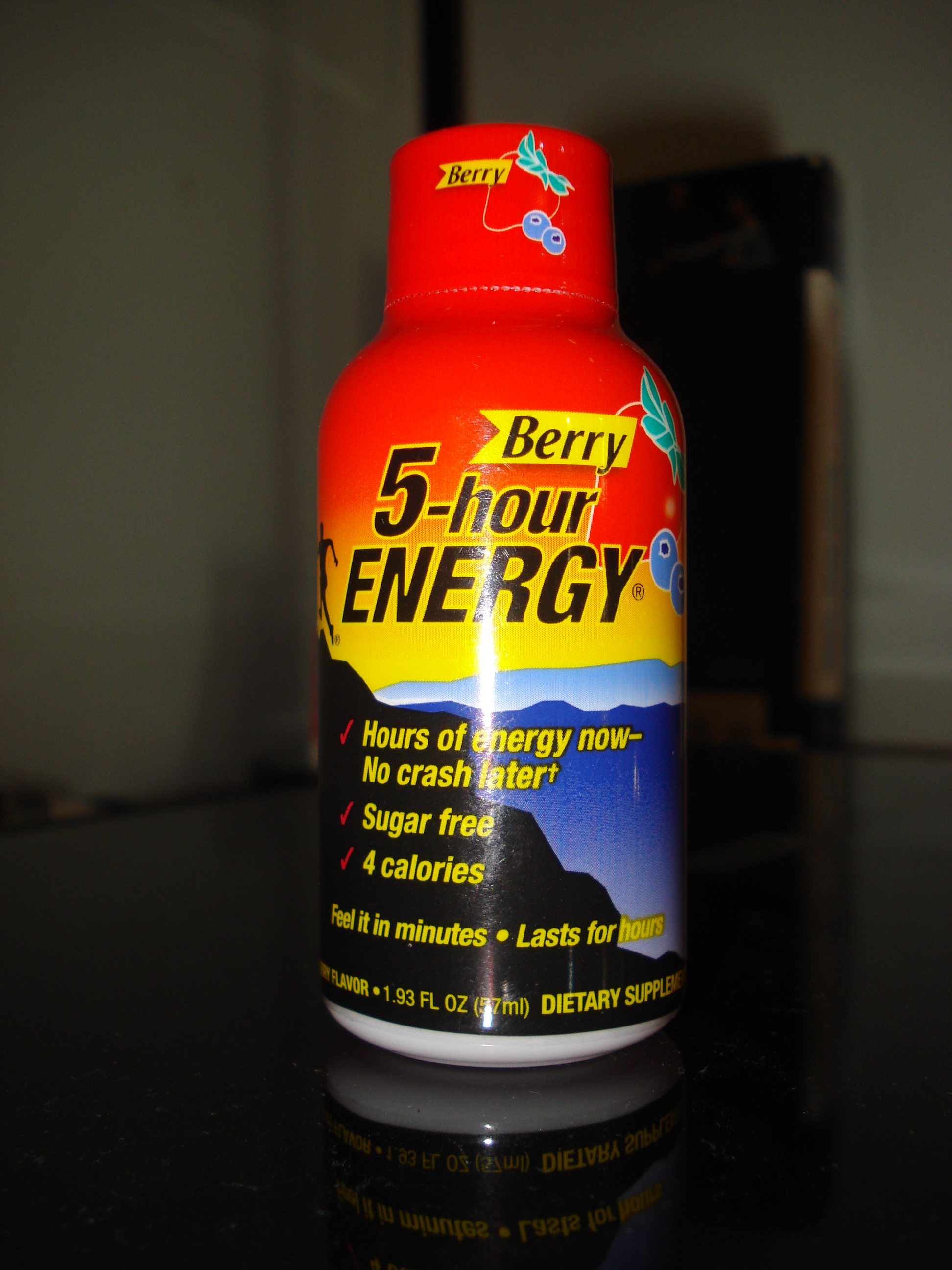 Recently, my friend and colleague, Rob, asked if I had ever tried the over-the-counter liquid shots we see at drug stores everywhere called “5-Hour Energy.” When I told him I hadn’t, he suggested I give one a try and write about what happened. I said to myself, “What a great idea!”
I thought today would be the perfect time to try a “shot,” as I had a marathon shoot to produce which featured a 4:30 a.m. wake-up call in order to capture three Internet videos for a corporate client by 4:30 p.m. I cannot drink regular coffee before 7 a.m. as it does a number on my stomach. So, I had an iced decaf around 6:30 am and decided to try the “5-Hour Energy” shot for a boost in the afternoon. It was the first and last time I’ll ever use the drink to get my energy up.
Please know, all my comments are based solely on my personal experience with this popular energy drink. Some of you reading this post may be big fans and never experienced the following effects: within 30 minutes of drinking all 1.93 fluid ounces of the berry-flavored shot, my head started pounding and I had palpitations. I was definitely awake, but for me, the headache and flutters in my chest were not what I expected or hoped to experience. I realize I was under some extra stress and pressure because of my demanding day, but turning to a cup of green tea of second 16-ounce iced coffee after lunch never caused me to feel like I did this afternoon. In the end, I wish I had simply relied on one of my regular “energy boosters” instead of the shot.
Again, I realize there are many people out there who use these drinks to get through a long day or even rev up before a workout. I thought this was simply a good opportunity to share my own personal experience in the hopes of raising awareness that even over-the-counter products and supplements can cause unwanted or unexpected results.
One positive note: I definitely didn’t experience any kind of “crash” after the five-hours were up. I simply got tired again when the long workday came to an end. Now, I look forward to getting some solid sleep and starting a new day filled with new opportunities to have fun, be fit and feel fabulous!
Getting Back On Track
 It’s been an unprecedented week for most New Yorkers with an earthquake and a hurricane taking a bite out of the Big Apple. As I made my way through my elliptical workout this morning, while my iTunes played in my ears, my eyes were glued to the TV monitors around the gym as live shot after live shot described all the preparations for Irene’s arrival. Afterward, my usual Saturday errands were replaced with a hunt for batteries, tape and water. (Luckily, I found everything I need.) Now, I write this post not knowing how many people will be able to read it on Monday should we experience the major power outages predicted. As we brace for the storm, I realize this is a perfect example of how the best laid plans can be altered at any given moment and throw off our normal schedules – and that includes our exercise routine.
Weather aside, I just wrapped up a week filled with many unexpected happenings. Most involved work, and a string of events forced me to stay at the office much later than expected for not one, but three nights in a row. This ultimately killed my workout schedule, with the worst of it meaning I had to scrap my favorite group exercise class of the week. I was also on my own at home, which threw off my eating schedule. I found myself giving in to my old, bad habit of not having small, smart meals every few hours and then ending the day eating almost nothing for dinner. (One “Lean Pocket” and a tall vodka-light-cranberry on the rocks is not what the body needs after a long day at the office.)
So, you could say I fell off the fitness wagon. It’s not the first time it’s happened, and I know it won’t be the last. Do I feel more sluggish this weekend? Absolutely. Will this feeling last forever? Absolutely not! Instead of beating myself up about all the “bad” things I did last week, I look forward to starting a new week with a brand new attitude and plenty of chances to take better care of myself. Just like Hurricane Irene, the storms that sometimes make a mess of our everyday lives do pass. (For me, exercise is a great way to deal with the aftermath.)
The next time your best laid plans to follow a healthy lifestyle hit a tailspin, don’t sweat it. Just remind yourself of why you’re doing it in the first place, and before you know it, you’ll be back on the right track so you can have fun, be fit and feel fabulous!
I Got Myself to the Gym. Now What?
 You took the plunge and signed up for a gym membership. You change into your workout wear, turn on the iPod…and find yourself completely overwhelmed surrounded by a sea of equipment. Don’t worry, you’re not alone. One of my best gal pals from Northwestern University, Molly, recently posed the following questions:
“My problem with getting/staying fit right now is not knowing exactly what to do with myself once I’m at the gym. Should I just focus on cardio? (I’d like to lose a few pounds.) If so, do I stick with one machine like the treadmill and work on building speed and endurance, or switch it up and try the elliptical sometimes? Should I start again with the weight machines, which I haven’t done in a while? (I’d also like to tone up and gain strength.) Take a class?”
Two important points to address right away:
1) They key to losing weight is burning more calories than you take in. That can be done through cardio and/or resistance training. Whether you’re an exercise novice or seasoned gym-goer, your body will benefit most from a combination of the two.
2) Find what you like to do at the gym, and you will stick with it. Then with some help from perseverance, self-discipline and motivation, you can get the results you’re looking for.
Reminding myself how good I feel after a workout fuels my perseverance and self-discipline. As for motivation, if you’re new to the gym, I strongly recommend meeting with a personal trainer at least once. Aside from helping you get familiarized with the gym, a personal trainer will also conduct fitness assessments to determine if you have any postural distortions that need correcting as part of your routine. In the simplest terms, you will learn what areas of your body need to be stretched and which need to be strengthened.
Many gyms welcome new members with a complimentary training session. If your gym doesn’t offer this service and a personal training session is not in your budget, then recruit a friend who does know his or her way around the gym to be your training partner.
Group exercise classes can also be a great source of motivation. With classes ranging from cardio kickboxing to Zumba, there is something out there for everyone. To avoid boredom at the gym, I’m a big fan of mixing up group exercise classes with your own program during the week.
Cardio is a topic that warrants its own blog post. For now, I recommend newcomers try the treadmill, elliptical and stationary bike for 10 minutes each. Determine which one you like best, then work on being able to run, stride or cycle for up to 30 minutes where you notice a moderate increase in your heart and respiratory rates. Doing this five to seven days each week with two days of resistance training is a good workout plan to strive for.
One final note: it takes six weeks before something becomes a habit. So, your first trip to the gym is the first big step in making exercise part of your routine to have fun, be fit and feel fabulous!


 lauralovesfitness