A Birthday Pass
So, I planned on writing another “serious” and informative segment for the latest installment on LauraLovesFitness, but it isn’t going to turn out that way. Instead, after enjoying a celebratory evening to honor my mom’s birthday, I’m reminded why one of my favorite expressions of all time remains “life is what happens while you’re busy making other plans.”
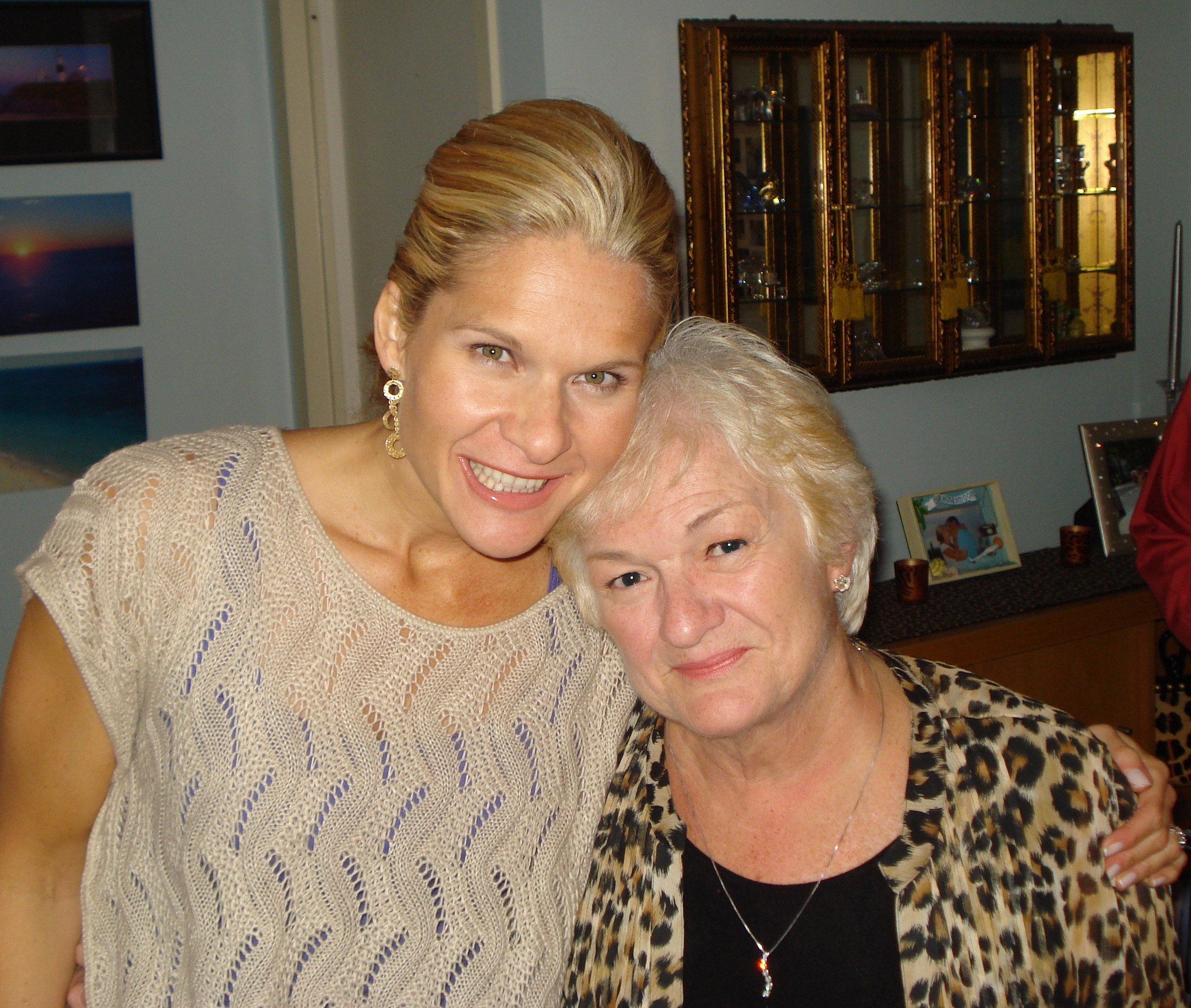
Happy Birthday, Mom!
My work schedule and my mom’s birthday celebration plans left no room for a workout today. At dinner, I ended up having more wine than usual, and I even had a chocolate molten lava cake with vanilla ice cream for dessert after polishing off some amazing pappardelle for my main course. I’m reminded that on special occasions, it’s okay to enjoy yourself and step outside your “normal” zone.
I enjoyed a wonderful evening of wine and conversation with my family – which included my aunt and uncle who are visiting from Italy. I’ll get back on track tomorrow by eating my normal fare of fruits, veggies and whole grains and getting to the gym after work. For tonight, it was nice to live in the moment and unwind after work…and for what better reason than to celebrate the most fabulous female I know – my mom.
So, I leave you with this: it’s okay to fall off the fitness wagon once in awhile. Life throws us curve balls sometimes. Whether you’re out celebrating something wonderful or dealing with something not-so-great, remember that tomorrow is another day…and another chance to have fun, be fit and feel fabulous!
Breast Cancer Awareness Month
On this Monday, October 3rd, we are three days into Breast Cancer Awareness Month and I am either prepping for or in the middle of producing a satellite media tour for Susan G. Komen for the Cure featuring Founder and Chief Executive Officer Ambassador Nancy G. Brinker. As the daughter of a breast cancer survivor, it feels good to play a small role in the latest outreach efforts by an organization that is widely regarded as the leader of the global breast cancer movement.
 My mother was diagnosed with breast cancer in 2008. The day she and my dad sat me down to tell me was probably the scariest in my life to date. Fortunately, because my mom has always been adamant about keeping up with her health screenings, the doctors detected the cancer early and she beat it. Today, I am lucky and blessed to be able to say my mom is among the 2.6 million breast cancer survivors living in the United States.
Her diagnosis put me on alert regarding my own health and made me want to do research, speak with my own physicians and learn everything I could about reducing my risk and how to be even more proactive about my health. While I am still a few years away from my first mammogram, I have followed in my mother’s footsteps when it comes to staying current with my other healthcare screenings.
It looks like something else I do and enjoy could help me, too. According to the National Cancer Institiute at the National Institutes of Health, there is strong evidence that physical activity is associated with a reduced risk of certain cancers, including breast cancer. Add that to the already long list of benefits from exercise, and you have just one more reason why there’s no better time than now to get up and get moving!
I will never be able to thank my mom for all she has given me throughout my life (my dad, too). Along with unconditional love and unwavering support, she has taught me so many important lessons without even knowing it. One of the most important things I have learned is it is important to take care of yourself so you can give of yourself- your time, energy, compassion and love – to others.
To that end, exercise has been a key component for my own well being while giving me the energy to be concerned about the well being of others. I encourage anyone reading this post to take charge of your health:
- Talk to your physician(s) about your family history and other risk factors for cancer and other diseases
- Don’t put off important health screenings
- Exercise
- When it comes to your eating habits, I believe moderation is crucial to maintaining a “diet” you can live with
If you’ve been looking for a time to turn your take-care-of-you goals into reality, here’s your chance. Make this Breast Cancer Awareness Month your time to have fun, be fit and feel fabulous!
Managing Pain
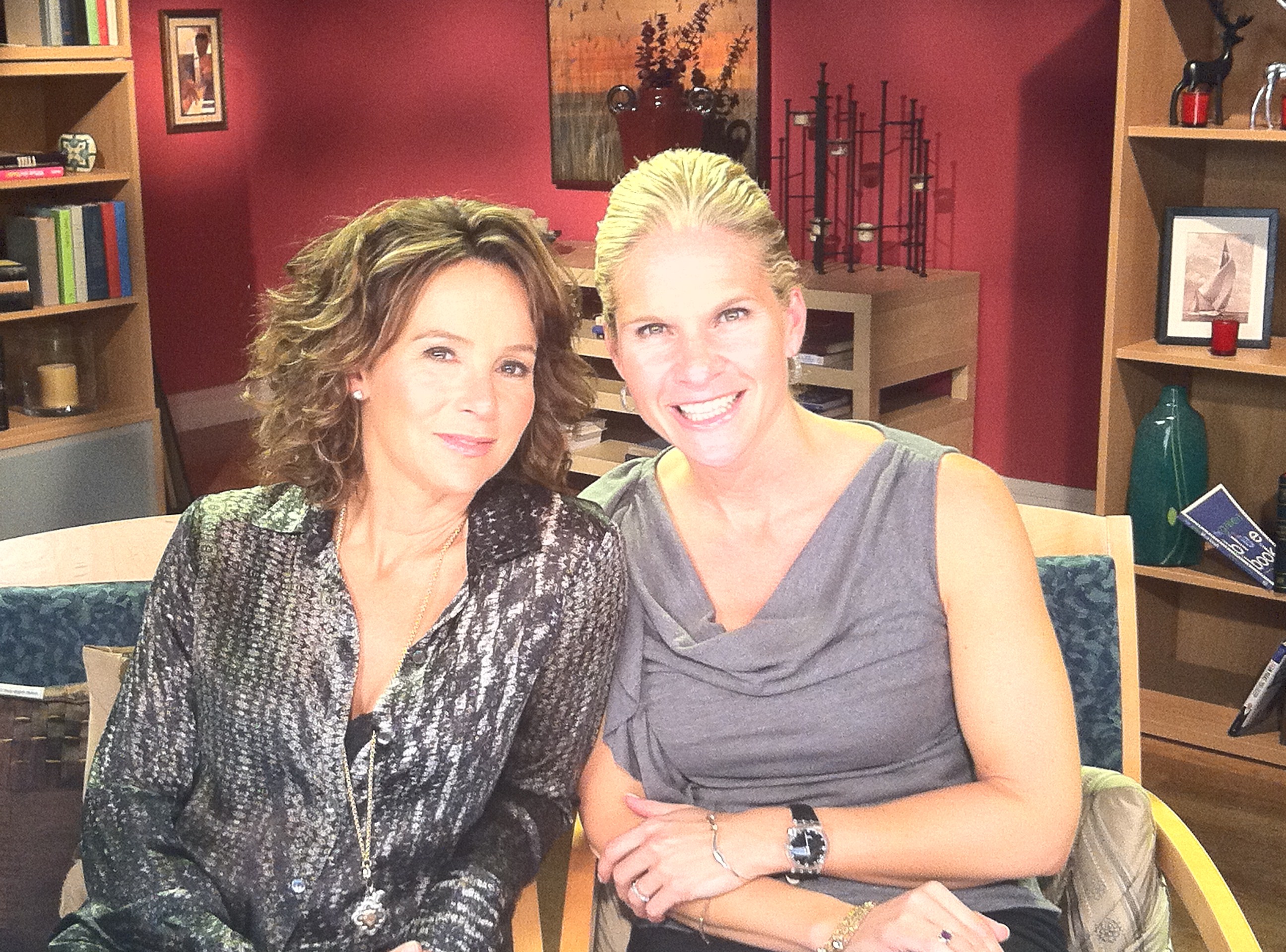
"Nobody puts Baby in a corner."
When I think of iconic ’80s movies, my mind conjures up images of Baby and Johnny falling in love in “Dirty Dancing” and all the fun you can have playing hookey in “Ferris Bueller’s Day Off.” Jennifer Grey will always be known for her role in these classics, along with her Mirror-Ball-Trophy-winning moves in season 11 of “Dancing with the Stars.” I was thrilled to work with Jennifer this week as the producer on her satellite media tour where she raised awareness about chronic pain management and her work with Purdue Pharma L.P.’s on a campaign called Partners Against Pain.®
Through the years, I’ve suffered from pain related to countless exercise-related injuries ranging from contusions to tendonitis to stress fractures. I have also encountered back and neck problems following multiple car accidents. While these injuries repeatedly put the brakes on my normal fitness routine, I have been fortunate to recover nearly 100% from any complications.
Jennifer has waged her battle with chronic pain for more than a decade. However, instead of letting pain slow her down, she not only danced her way to the DWTS trophy, she also became a patient advocate for others. As part of her outreach efforts, Jennifer joined Micke Brown, a Registered Nurse and Communications Director of the American Pain Foundation, on Wednesday’s five-hour nationwide media tour where they spoke with radio and TV stations about the Partners Against Pain initiative.
If you are suffering from an acute injury or a chronic pain condition, don’t ignore it. Is it normal to be sore for a day or two if you’re just getting started on an exercise routine or after pushing yourself through an extra-strenuous workout? Absolutely. However, if your discomfort lasts for more than four days, you may have overdone it and injured yourself. If you’re not sure, arm yourself with information. Check out the Partners Against Pain website and learn more about how to classify your pain, how to monitor it and how to speak about it with your healthcare provider.
I believe Jennifer’s message can be an inspiration to so many people. In each interview, she described how she has been able to continue dancing, improve at yoga and enjoy time with family and friends – and she has no plans to stop anytime soon! I can’t think of a better role model to show us that no matter what we may be up against, we can still have fun, be fit and feel fabulous!
Workout Wear
It certainly doesn’t feel like the beginning of autumn here in New York City. The high temps and humidity have air conditioners working overtime, even at the end of September, and wardrobe choices are trickier than usual. Thanks to a suggestion from my friend and makeup artist extraordinaire, Deanna Bell, I figured it was the perfect time to talk about one fitness essential that helps make my workouts more enjoyable even on the stickiest days: the right workout wear.
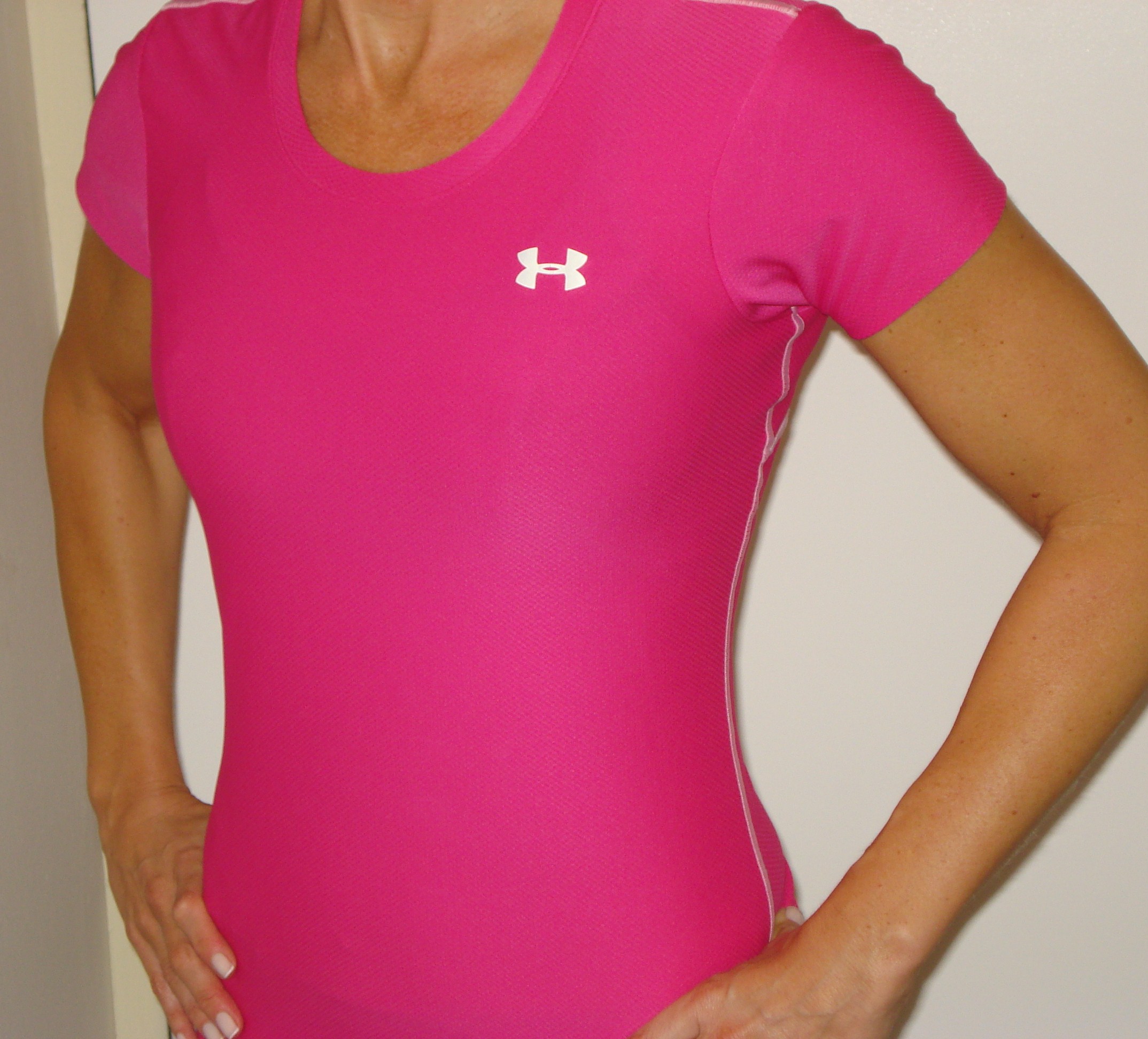 I sweat a lot when I exercise, even on the coldest days of the year. So wearing cotton t-shirts, shorts or pants can be very uncomfortable as they cling to my body and make me feel even hotter. This is why I am a huge fan of clothes that wick moisture away from the skin. They actually make me feel cooler and less constricted. For me, being comfortable is crucial when it comes to getting through even the toughest of workouts.
Adding a couple of these wicking items to your workout wardrobe doesn’t need to break the bank. (Trust me, I’d rather save my dollars for a great pair of shoes or boots!) You can find great deals on brands like Champion, Nike Dri-FIT and Under Armour at stores ranging from Target to Modell’s. These labels aren’t just for the ladies, they have great gear for men and kids, too.
Along with the comfy and cool-inducing clothes, here are my other exercise essentials:
- Proper footwear
- A good sports bra (that also wicks moisture away from the body)
- Music that makes me move
- Water
- A ponytail holder to keep my sweaty hair out of my face
You’ve made the commitment to take better care of yourself through exercising, so why not “pamper” yourself a bit to make the activity as enjoyable as possible? Instead of throwing in the towel when things get too hot, something as simple as a comfy tank top can help you stay on the right track so you can have fun, be fit and feel fabulous!
Desperately Seeking Sleep
So you made up your mind to start eating healthier foods and exercise. You cut back on sweets, started eating more fruits, veggies and whole grains and added some sort of physical activity to your daily routine three to five times each week. You feel better, but your energy level isn’t optimal. If that’s the case, you’re probably missing out on the one thing most people can’t seem to get enough of: sleep.
Why do we need sleep? Research shows along with helping us stay energized, sleep helps regulate our mood and learn and retain valuable information. There are even studies out there linking inadequate sleep to weight gain. I love to sleep, but unfortunately, thanks to my type A personality, my mind often keeps me from enjoying this necessary pastime.
 On one such night not too long ago, I thought I’d experiment with something I hoped would help me, a popular over-the-counter relaxation shot called “Dream Water.” (You’ll usually find it not far away from the “5-Hour Energy” shots in the drug store.) According to the product’s website, the 2.5-ounce shot contains three active ingredients to produce relaxation and sleep:
- Gamma-Amino Butyric Acid (“GABA”)
- Melatonin
- 5-HTP
I liked the shot’s blueberry flavor, but did it help me sleep? I doubt it. While I didn’t experience any negative side effects like I did when I tried the 5-Hour Energy shot last month, I didn’t notice any changes in my relaxation level to make me want to run out and buy some more.
If you have any surefire ways to promote sleep, I would love to hear from you! Right now, the only “tricks” that do work for me (though not every time) include:
- No caffeinated beverages after 3 pm
- Wrapping up my workout at least two hours before getting into bed
- A hot shower
- 300 Micrograms (mcg) of Melatonin
I also highly recommend leaving the texting and typing outside the bedroom and read a book or magazine instead.
If you’ve made the commitment to take better care of yourself, don’t overlook the power of sleep and its cruicial role in helping all of us have fun, be fit and feel fabulous!
Should I Exercise When I’m Sick?
 One of the benefits of exercise is that it boosts your immune system. However, even the biggest fitness fanatics can get sick now and then thanks to a laundry list of reasons including:
-
Mental stress
-
Lack of sleep
-
Poor nutrition
For me, when I have a series of days filled with 5-am call times, outdoor shoots in cold or hot weather, tight deadlines, a too-full social calendar and not enough sleep, I can actually feel my body getting rundown. Sure enough, I am heading into this weekend battling the classic symptoms of a common cold – a sore throat, serious head congestion and fatigue. So, I figured it was the perfect time to tackle the question of whether it’s good or bad to workout when you’re sick.
The American College of Sports Medicine has outlined what you could call the “above/below-the-neck rule.” If your symptoms are like mine, studies show mild-to-moderate exercise isn’t harmful. This could include low/moderate intensity cardio, which is a cardiovascular workout that almost constantly keeps your heart rate in a range that is between 60-80% of your maximum heart rate. (Reminder: to calculate max heart rate: 220-your age) However, ACSM recommends you skip the heavy weight training or high-intensity cardio until you do beat your cold. Working out at too high an intensity when you’re fighting a bug puts extra stress on the body and can further compromise the immune system.
One note if you are able to exercise and you head to a gym: do your fellow gym members a favor and wipe down any equipment you use with the anti-bacterial spray that’s sure to be made available by the facility. It’s just common courtesy.
As for the below-the-neck rule: If you have stomach issues that include vomiting, diarrhea, a severe cough or a fever, ACSM says you should take a break from exercise until whatever’s ailing you has run its course. Also, if you’re knocked out by a serious bug for several days, remember to take it easy on your first day back in action. Your body could be recovering from mild dehydration and overall fatigue, so don’t jump out of bed and rush back to your highest-intensity cardio class as soon as your fever breaks.
I’ve said it before and I’ll say it again: listen to your body! This morning, I planned to get in a pre-work workout because of after-work plans, but when my alarm went off, I was simply too tired and too achey to get out of bed. Instead, I added a couple of extra blocks to my walk to work by going to a different place to get my morning coffee. I truly believe getting that extra hour of sleep will help me beat this bug faster than if I had pushed myself too hard.
While a minimum of one day of rest each week is important, when you’re sick, you may need one (or two) more. Don’t sweat it. Just rest up, drink your fluids and before you know it, you’ll be back on your feet so you can have fun, be fit and feel fabulous!
Buy This Book!

Available at Amazon.com
When I entered the blogosphere back in July, my friend Paula Rizzo, The List Producer, gave me some good advice about how to select my topics. One tip was to write about the things that have helped me in my own fitness journey: a book, an exercise DVD or even a favorite group exercise class. So, today I want to tell you about the book that belongs on everyone’s shelf, regardless of your fitness level: Fitness or Fiction: The Truth About Diet and Exercise by Brent Brookbush, MS, PES, CES, CSCS, ACSM-H/FS.
Brent spent more than six years investigating the facts to shatter more than 60 myths surrounding diet and exercise including:
Myth #2: Carbohydrates are your enemy. What You Should Know: Excess calories are your enemy, not carbs!
Myth #24: Products that target my inner thighs, abs, and back of my arms are an important part of my exercise routine. What You Should Know: Don’t waste your time.
Myth #58: Sweating is good indicator of intensity, and is a great way to lose weight. What You Should Know: Sweat is not a reliable indicator of intensity.
or fat loss.
Each myth is debunked through extensive research – more than 600 references are cited in the book – and the facts are presented in plain English. (There are also great photographs that illustrate proper form for a wide variety of exercises.) There are no gimmicks, no fads and no empty promises. Whether you are a fitness novice or industry professional, Fitness or Fiction gives you the tools you need to build a program that will produce the results you want.

Brent Brookbush
Since 1998, Brent has educated thousands of personal trainers, written and consulted for various fitness magazines, and has been a revered personal trainer. He is also president of B2C Fitness, where he continues to develop cutting-edge training and development systems and educational publications for fitness professionals. Currently, he is an Instructor for PowerPlate, NASM, and B2C Fitness. In fact, he was my Instructor (along with Rick Richey) at the NASM Personal Fitness Workshop I took in March to help prepare for my CPT exam.
As a lifetime fitness enthusiast, novice blogger and recently NASM certified personal trainer, I know this book will become a primary reference when looking for ways to challenge myself or help others in their fitness journey. Adding Fitness or Fiction to your book collection is a surefire way to have fun, be fit and feel fabulous!
Cross Training
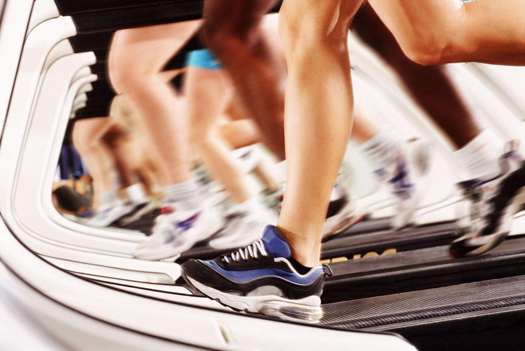 I hope you enjoyed some rest and recovery time over the weekend. As you outline your attack plan on how to fit fitness into the week ahead, I offer this bit of advice: mix things up a bit.
Whether you’re a fitness novice, getting back to a routine or have been exercising for years, variety can make the world of difference when it comes to sticking with a fitness regimen and also preventing injuries. Doing the same routine day after day causes repetitive stress and can lead to overuse and stress-related injuries. Some of the more common ones include:
- Chondromalacia patella (often referred to as “runner’s knee”): An overuse injury causing pain in the kneecap. Pain can occur from weight-bearing knee flexion activities like squats or sitting for long periods of time with bent knees. Symptoms may also include swelling or grating noises.
- Stress fractures: Microscopic fractures usually to a weight-bearing bone like the tibia in the leg or metatarsals in the feet.
- Tendonitis: Inflammation in the connective tissue that joins bone to bone. (One common form is “tennis elbow”)
If you love group exercise classes, one of the easiest ways to avoid overuse injuries is to mix up your schedule. For example, the twisting, dance-like movements executed in Zumba classes put extra stress on your knees and can be damaging if the surrounding muscles (e.g. the quadriceps) are weak. The same can be said of cardio kickboxing. Repetitive high kicks and other movements places stress on the hip region. If any of the above mentioned exercises are not performed in proper form, the risk of injury is even greater.
I am not saying you can’t take your favorite group ex class multiple times during the week, but try to give yourself a day in between to allow the muscle groups to repair and recover. If you’re a five-day-a-week-group-ex “addict,” here’s a possible schedule:
- Monday: Cardio kick
- Tuesday: Pilates mat (Followed by 30 minutes of cardio)
- Wednesday: Zumba
- Thursday: Pilates mat or Yoga
- Friday: Cardio kick or Zumba
The same can be said for strength training. Most beginners should aim for a resistance training workout of two days per week and not on consecutive days. If your schedule forces you to strength train on back-to-back days, split the muscle groups over two days.
Stretching is one activity you can do every day of the week. One of my personal fitness goals this year has been to incorporate more flexibility training into my routine. If only I had made that goal a priority earlier in my life, I’m sure I could have avoided many trips to the doctor along with multiple X-rays and MRIs.
That being said, we can all push ourselves a little too hard at times. However, if a couple days of rest, ice and over-the-counter anti-inflammatories don’t alleviate the pain, you should talk to your doctor. Preventing injuries is one of the most important things you can do to ensure your body and mind are working together to have fun, be fit and feel fabulous!
The Importance of Rest

Take a Break from the Weights!
Earlier this week, I offered some cardio guidelines to help beginners get their heart rates going. Now that we’ve made it to another Friday, I thought talking about the importance of letting the body rest and recover was a good way to head into the weekend.
Whatever your fitness focus – running, weight training, participating in group exercise classes – rest is an essential component of your exercise routine. If you don’t allow your body to rest and recover, you’re simply putting yourself at risk for overtraining. That can lead to a gamut of problems including injury and overall fatigue. AFAA’s Fitness: Theory & Practice (Fifth Edition) describes the following as symptoms of overtraining:
- Fatigue
- Anemia
- Amenorrhea (when a woman stops getting her monthly period)
- Overuse or stress-related injuries (e.g. stress fractures, tennis elbow and runner’s knee)
- Increased resting heart rate
- Slower recovery of heart rate
- Decrease in strength performance
- Constant muscle pain or soreness when moving, bordering on pain
Avoiding these symptoms doesn’t have to be difficult. Just give yourself a break now and then! A rest day allows for muscular repair and recovery of the central nervous system. I always give myself at least one day off from the gym every week. For those of you who can’t imagine even one day without activity, you can still take a leisurely walk or bike ride, or maybe you can substitute that strength or cardio class with an extra-long session of stretching.
On the other hand, if you want to enjoy a rest day curled up on the couch in your kick-around clothes reading a good book or catching up with your DVR, go for it! Remember, taking a rest day doesn’t mean you’re being lazy. It only means you’re giving your body the strength to get back in the game so you can have fun, be fit and feel fabulous!
Cardio for Beginners
 Whether you love it or hate it, cardiorespiratory exercise is crucial when it comes to reaching your goals of losing weight, reducing body fat or maintaining a healthy lifestyle. Research shows there are many benefits to cardio activity including its ability to decrease:
- Daily fatigue
- Anxiety and stress
- Coronary artery disease
- Hypertension
- Non-insulin dependent diabetes and
- Obesity
At the same time, cardio helps boost your:
- Sense of well-being
- Immune system
- Blood lipid profile and
- Overall physical performance at work and at play
While there are several levels to cardio training, for the purpose of this post, I’m going to focus on some guidelines for beginners and anyone who may be getting back into a fitness routine after a hiatus. (As usual, I base these guidelines using the essential information I studied through the National Academy of Sports Medicine.) Your cardio activity should focus on maintaining a zone one heart rate which is approximately 65% to 75% of your maximum heart rate. Here’s what that means for you:
- To calculate your maximum heart rate, subtract your age from the number 220.
- Multiply your max heart rate by .65.
- Multiply your max heart rate by .75.
To use myself as an example:
- 220-37 = 183
- 183 X 0.65 = 119
- 183 X 0.75 = 137
- Laura’s Zone One Heart Rate = 119 – 137
If you’re working within the parameters of zone one for cardio, it’s likely you are also in stage one of your overall exercise program. (NASM refers to this as the stabilization level.) If you’ve never worked out before, you may want to try to reach your zone one heart rate for a maximum five to ten minutes and then spend another 20 minutes simply walking at a good pace, climbing the stairs in your home or getting really dirty in the yard by cleaning up the garden. Your goal should be to eventually maintain your zone one heart rate for at least 30 minutes. This can take some time. A “newbie” may need two months or longer to meet this demand, but remember: there’s no finish line here. You’ve made a commitment to exercise and start taking better care of yourself, so while you don’t want to just dial it in, make the journey work for you.
A final note about measuring heart rate. You’ve made the decision to make fitness a part of your life, so along with a good pair of sneakers and breathable workout wear, invest in a heart rate monitor. Countless studies show it is the device that provides the most accurate heart rate readings. So, whether you’re using a treadmill in the gym or running or walking along the open road, you’ll be able to see if you’re really “in the zone.”
I hope this brief session of cardio 101 will help get your heart pumping safely and effectively so you can have fun, be fit and feel fabulous!


 lauralovesfitness