Blog Archives
The Importance of Flexibility Training
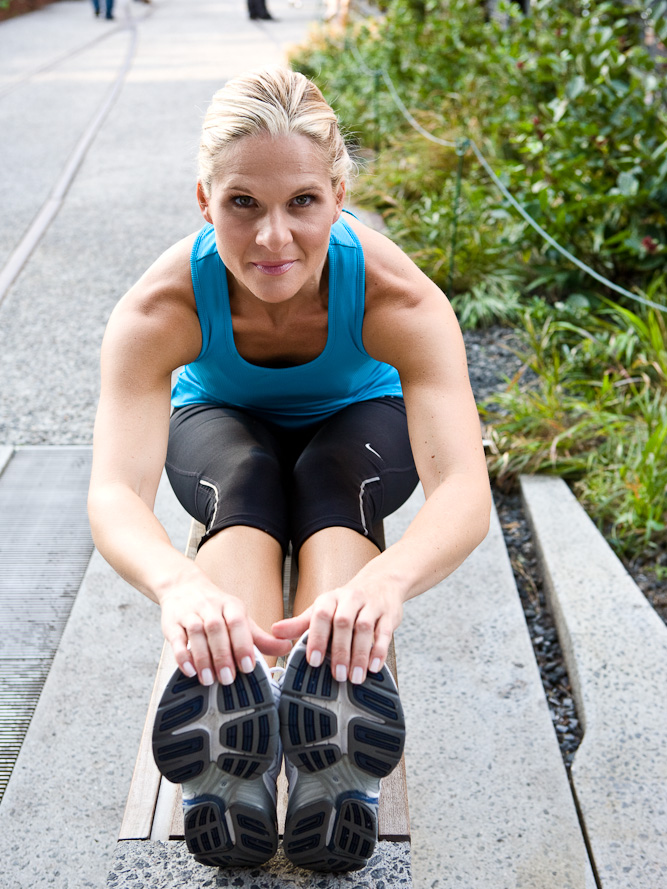
Photo by: Leslie Hassler
We made it to another Friday! If you’re like most people, you’ve clocked countless hours this week sitting at a desk crouched over a keyboard. Or maybe you’ve logged hours in your car commuting or taking the kids to and from school and activities. Regardless of your daily activities, chances are you suffer from an all-too common problem for modern day Americans: bad posture. This matched with an ever-increasing sedentary lifestyle for people everywhere make a recipe for disaster where your body is concerned. This is why incorporating flexibility training (a.k.a. stretching) is more important than ever. It is one of the best ways to decrease muscle imbalances, joint dysfunction and overuse injuries.
While I can’t assess how your body moves via this post, I can tell you about one of my biggest “problem areas.” When I’m not out in the field producing shoots, I spend way too much time sitting in front of my computer. Since I’m almost always on deadline, I tend to lose track of just how long I sit there. These extended periods of sitting unfortunately cause tightening of my hip flexors, which are made up of five muscles including the psoas.
What happens if I I don’t take the time to stretch my hip flexors and just get right into the “heart” of a workout? There are plenty of terms in exercise science to describe the problematic results, including altered reciprocal inhibition, synergistic dominance and arthrokinetic dysfunction. Here’s what those problems look like when it comes to performing one of the most popular exercises known to man: the squat. If I repeatedly perform squats with a tight psoas, the “wrong” muscles end up doing the work. The gluteus maximus should be the prime mover, but tight hips flexors inhibit the gluteus maximus from doing its job and getting strong. Instead, the workload gets picked up by the “B team:” the hamstrings and erector spinae. Not only does this make the butt-kicking exercise pretty much ineffective for actually toning my butt, but I’m also putting myself at risk for low back pain and potential injury.
Here’s a link featuring some good static stretches for the hip flexors. If you’re just getting started on an exercise program, your focus will most likely be on corrective flexibility in order to improve any muscle imbalances and altered joint motion. To that end, static stretches and self-myofascial release should be the key components in your flexibility training program. (Stay tuned for more on my own love-hate relationship with SMR in future posts!)
Another problem area for many people is the biceps femoris, which most of us know as the hamstrings. As you progress in your fitness journey, you can look forward to moving from corrective flexibility to active flexibility. In the video below, I help Brent Brookbush illustrate an effective active biceps femoris stretch. Before you check out the video, I leave you with this final thought: if I could go back in time and change one thing about my life-long love affair with fitness, I would incorporate much more flexibility training into my routine. It is truly one of the best things we can do for ourselves in order to have fun, be fit and feel fabulous!
The Importance of Balance Training
 Photo by: Leslie Hassler
Whether you’re walking down a staircase in stilettos or prepping to make a jump shot on the basketball court, balance is a key component to all functional movements. This is why balance training exercises should be a part of everyone’s fitness regimen, regardless of your fitness level.
Balance is the ability to sustain or return the body’s center of mass or line of gravity over its base of support. The National Academy of Sports Medicine (NASM) explains the purpose of balance training is to improve dynamic joint stabilization, which is the ability of the body to stabilize of keep the joints in proper alignment during movement. (One example: stabilization of the hip during a squat by the gluteus medius and adductor complex.)
Countless studies have been done which show a direct correlation between balance training and injury prevention. I think it’s safe to say we’d all agree anything that can help decrease our risk of injury is worth spending some time on.
So how do you do it? The idea is to perform exercises that constantly stress a person’s balance threshold. This is the limit a person can perform an exercise without losing control of his or her center of gravity. In “big-word terminology,” the idea is to push that threshold in a proprioceptively enriched environment. This is an environment that challenges the internal balance and stabilization mechanisms of the body.
In simple terms, balance training is typically performed on a single-leg and/or on unstable surfaces such as a half-foam roll, Airex pad or Dyna disc. For beginners, examples of balance training exercises include single-leg balance and single-leg balance reach. More “seasoned” fitness buffs may perform single-leg squats or single-leg Romanian deadlifts. Finally, balance training exercises for the experienced athlete may include multiplanar hop with stabilization or single-leg box hop-ups with stabilization.
I found this link very helpful in describing the purpose for balance training along with this one from the Mayo Clinic featuring examples of exercises. At the end of the day, balance training can be a challenging part of your exercise program and just one more way to have fun, be fit and feel fabulous!
The Importance of Core Training
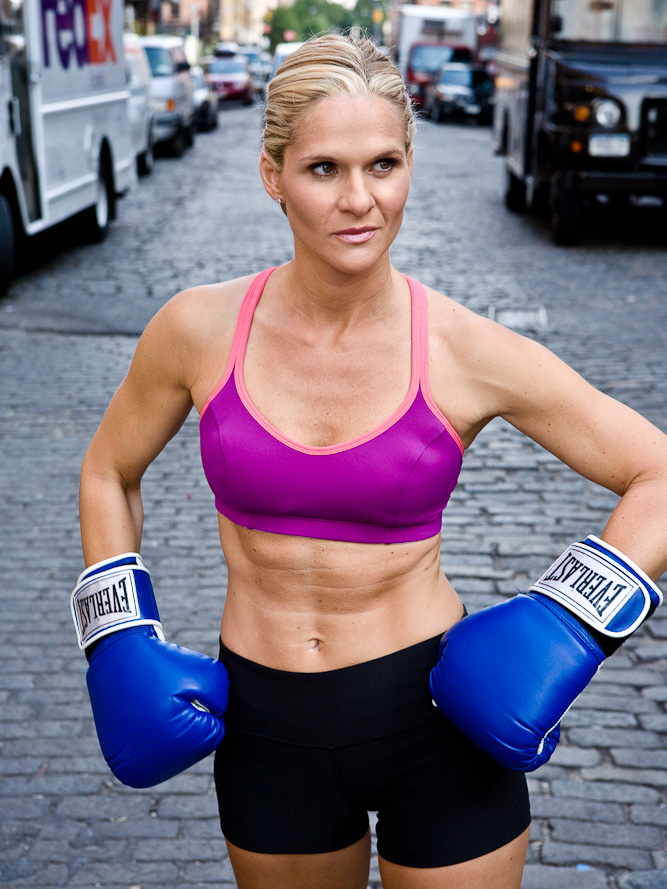 Photo by: Leslie Hassler
Chances are you’ve heard, seen or read stories about people’s quest to work on their “core.” That’s good, because core training should be a crucial component of anyone’s exercise routine, regardless of his or her fitness level. Why? To put it simply, if you have a weak and unstable core and you don’t do anything to make it stronger, your body can’t move the way it’s supposed to. That’s one of the easiest ways to put yourself at increased risk for injury.
So, what exactly is the core? It’s the part of the body made up of the lumbo-pelvic-hip-complex, thoracic spine and cervical spine. This region of the body is where all movement begins and where we find our center of gravity. The muscles in the core are broken into two categories: the stabilization system and the movement system. The important thing to keep in mind is that if the stabilization system doesn’t work properly, then your body will make compensations to move, and these compensations can ultimately lead to injury. Here’s an example: you could have strong “abs” (rectus abdominus), external obliques and erector spinae, but weak stabilizing muscles in your lumbo-pelvic-hip complex. Without proper stabilization, extra stress is placed on your vertebrae and this can lead to low back pain and possible injury.
The bottom line is you should not neglect your core. One popular exercise for core training is the quadruped. It’s a great activation exercise for the transversus abdominus, which is part of the stabilization system of the core. Below, you can check out a video where I help Brent Brookbush, President of B2C Fitness and author of “Fitness or Fiction: The Truth About Diet and Exercise,” illustrate the correct form and progression techniques for a quadruped. Brent’s videos are geared toward other fitness pros, but the information and illustration are a great way to get anyone started on this effective exercise. Remember, core training is an essential part of any exercise routine in order to have fun, be fit and feel fabulous!
Friday Favorites
At the end of a particularly crazy work week, I thought I’d wrap things up on a light note. Along with questions ranging from how to calculate heart rates to how long do I spend on my abs, people often ask me about the products I use. So, here’s a list of some of my favorite items that keep me feeling good whether I’m working out or not:
 Shower Essentials: Since I take two showers a day (one to wake up, and one to clean up after my post-work workout), I use body wash instead of soap. It keeps my skin hydrated, and that’s especially important now as the temperatures drop and the heat comes up. I’m a big fan of the St. Ives line, which can be found at any drug store. To splurge, I’ll stock up on some of my favorites at Bath & Body Works. My top picks there are in the “Stress Relief ” line. There’s something about the smell of eucalyptus while standing in a hot shower that really helps me unwind after a long day.
Must-Have Moisturizer: Since passing the 35th birthday mark a couple of years ago, I admit I’m a sucker for anything that lists “skin firming” as a benefit on the packaging. Right now, I’m using and loving Aveeno’s “Positively Ageless Skin Firming Lotion.”
Face Faves: I suffered from acne in my teens and 20s. Now in my 30s, thanks to too much sun- worshipping, I have developed Rosacea. Every dermatologist who has treated me has recommended Cetaphil and I have used it for years. I wash my face twice a day with the “Gentle Skin Cleanser” and moisturize morning and night with the “Daily Facial Moisturizer,” which contains SPF 15.
Eye Cream: L’Oreal “Revitalift Deep-Set Wrinkle Repair Eye Cream.” It’s a 24-hour “system” where you use one side of the tube in the morning to protect and the other side at night to repair.
Eye Makeup Remover: Almay “Oil-Free Eye Makeup Remover Pads.”
Mane Management: As a blonde who amps up my look with highlights, I look for products that cut down on brassiness. Right now, I am using Aveda “Blue Malva” shampoo. I admit, I mix and match shampoo and conditioners as I use whatever keeps my hair moisturized and as frizz-free as possible. Right now, there’s a tube of L’Oreal’s “Everpure Sulfate-Free Moisture Conditioner” in my shower rack.
My Must-Have Hair Product: “Hard to Get” texturizing paste from TIGI Bed Head. It adds body and makes my layers move with that tousled look.
Workout Wear: On my body: Under Armour, Nike DRI-Fit or Champion C9. On my feet: New Balance cross trainers.
In My Gym Bag: Fiber One bars; tissues; hand sanitizer, clean socks, ear buds for my iPhone and snag-free ponytail holders.
Post-Workout Mocktail: Crystal Light pink lemonade and seltzer.
If you have some products that help you feel your best everyday, I’d love to hear about them! While diet and exercise are key components to our well-being, never underestimate the power a great-smelling body wash or pampering hand cream can have to help you have fun, be fit and feel fabulous!
A Birthday Pass
So, I planned on writing another “serious” and informative segment for the latest installment on LauraLovesFitness, but it isn’t going to turn out that way. Instead, after enjoying a celebratory evening to honor my mom’s birthday, I’m reminded why one of my favorite expressions of all time remains “life is what happens while you’re busy making other plans.”
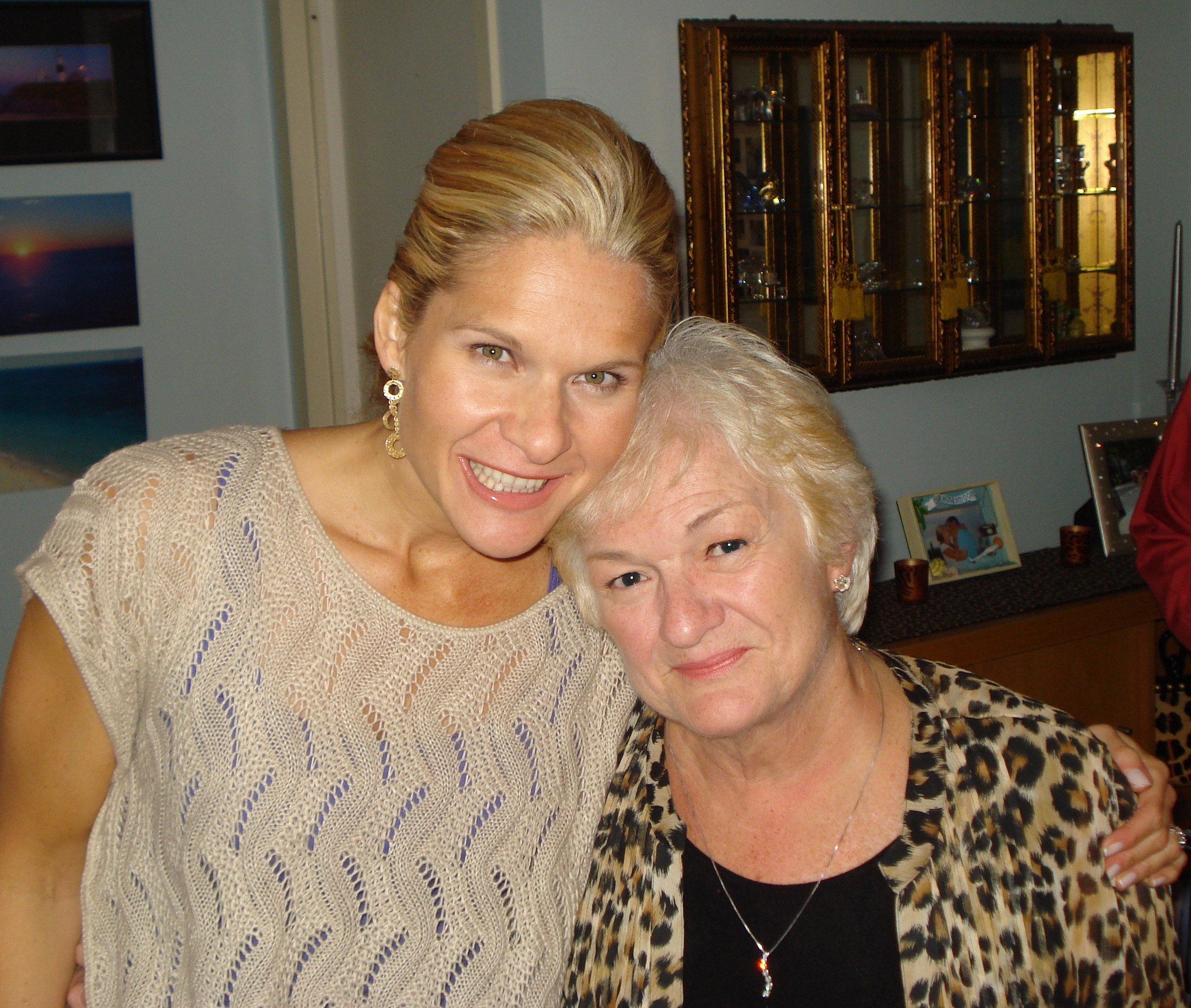
Happy Birthday, Mom!
My work schedule and my mom’s birthday celebration plans left no room for a workout today. At dinner, I ended up having more wine than usual, and I even had a chocolate molten lava cake with vanilla ice cream for dessert after polishing off some amazing pappardelle for my main course. I’m reminded that on special occasions, it’s okay to enjoy yourself and step outside your “normal” zone.
I enjoyed a wonderful evening of wine and conversation with my family – which included my aunt and uncle who are visiting from Italy. I’ll get back on track tomorrow by eating my normal fare of fruits, veggies and whole grains and getting to the gym after work. For tonight, it was nice to live in the moment and unwind after work…and for what better reason than to celebrate the most fabulous female I know – my mom.
So, I leave you with this: it’s okay to fall off the fitness wagon once in awhile. Life throws us curve balls sometimes. Whether you’re out celebrating something wonderful or dealing with something not-so-great, remember that tomorrow is another day…and another chance to have fun, be fit and feel fabulous!
Breast Cancer Awareness Month
On this Monday, October 3rd, we are three days into Breast Cancer Awareness Month and I am either prepping for or in the middle of producing a satellite media tour for Susan G. Komen for the Cure featuring Founder and Chief Executive Officer Ambassador Nancy G. Brinker. As the daughter of a breast cancer survivor, it feels good to play a small role in the latest outreach efforts by an organization that is widely regarded as the leader of the global breast cancer movement.
 My mother was diagnosed with breast cancer in 2008. The day she and my dad sat me down to tell me was probably the scariest in my life to date. Fortunately, because my mom has always been adamant about keeping up with her health screenings, the doctors detected the cancer early and she beat it. Today, I am lucky and blessed to be able to say my mom is among the 2.6 million breast cancer survivors living in the United States.
Her diagnosis put me on alert regarding my own health and made me want to do research, speak with my own physicians and learn everything I could about reducing my risk and how to be even more proactive about my health. While I am still a few years away from my first mammogram, I have followed in my mother’s footsteps when it comes to staying current with my other healthcare screenings.
It looks like something else I do and enjoy could help me, too. According to the National Cancer Institiute at the National Institutes of Health, there is strong evidence that physical activity is associated with a reduced risk of certain cancers, including breast cancer. Add that to the already long list of benefits from exercise, and you have just one more reason why there’s no better time than now to get up and get moving!
I will never be able to thank my mom for all she has given me throughout my life (my dad, too). Along with unconditional love and unwavering support, she has taught me so many important lessons without even knowing it. One of the most important things I have learned is it is important to take care of yourself so you can give of yourself- your time, energy, compassion and love – to others.
To that end, exercise has been a key component for my own well being while giving me the energy to be concerned about the well being of others. I encourage anyone reading this post to take charge of your health:
- Talk to your physician(s) about your family history and other risk factors for cancer and other diseases
- Don’t put off important health screenings
- Exercise
- When it comes to your eating habits, I believe moderation is crucial to maintaining a “diet” you can live with
If you’ve been looking for a time to turn your take-care-of-you goals into reality, here’s your chance. Make this Breast Cancer Awareness Month your time to have fun, be fit and feel fabulous!
Managing Pain
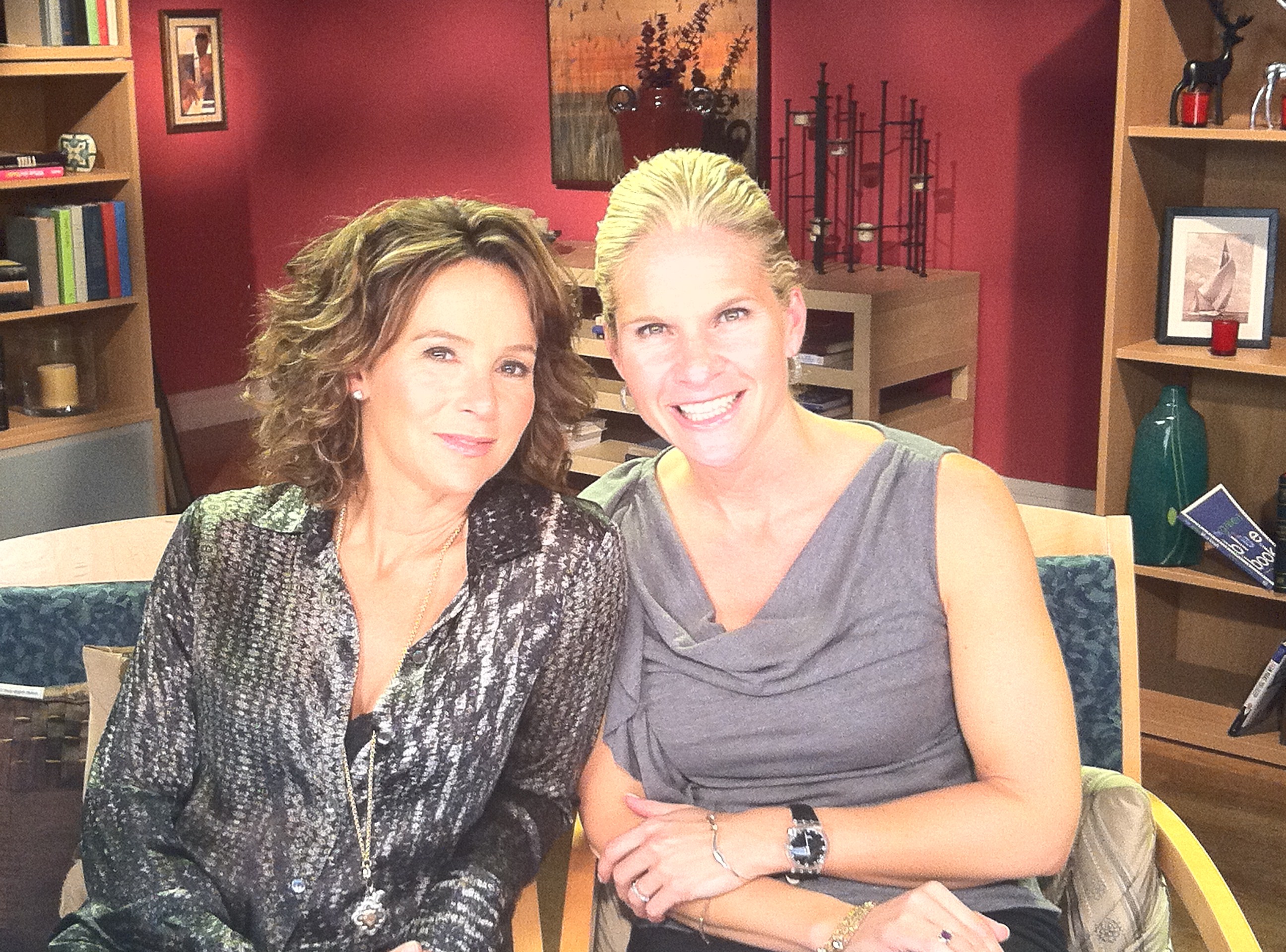
"Nobody puts Baby in a corner."
When I think of iconic ’80s movies, my mind conjures up images of Baby and Johnny falling in love in “Dirty Dancing” and all the fun you can have playing hookey in “Ferris Bueller’s Day Off.” Jennifer Grey will always be known for her role in these classics, along with her Mirror-Ball-Trophy-winning moves in season 11 of “Dancing with the Stars.” I was thrilled to work with Jennifer this week as the producer on her satellite media tour where she raised awareness about chronic pain management and her work with Purdue Pharma L.P.’s on a campaign called Partners Against Pain.®
Through the years, I’ve suffered from pain related to countless exercise-related injuries ranging from contusions to tendonitis to stress fractures. I have also encountered back and neck problems following multiple car accidents. While these injuries repeatedly put the brakes on my normal fitness routine, I have been fortunate to recover nearly 100% from any complications.
Jennifer has waged her battle with chronic pain for more than a decade. However, instead of letting pain slow her down, she not only danced her way to the DWTS trophy, she also became a patient advocate for others. As part of her outreach efforts, Jennifer joined Micke Brown, a Registered Nurse and Communications Director of the American Pain Foundation, on Wednesday’s five-hour nationwide media tour where they spoke with radio and TV stations about the Partners Against Pain initiative.
If you are suffering from an acute injury or a chronic pain condition, don’t ignore it. Is it normal to be sore for a day or two if you’re just getting started on an exercise routine or after pushing yourself through an extra-strenuous workout? Absolutely. However, if your discomfort lasts for more than four days, you may have overdone it and injured yourself. If you’re not sure, arm yourself with information. Check out the Partners Against Pain website and learn more about how to classify your pain, how to monitor it and how to speak about it with your healthcare provider.
I believe Jennifer’s message can be an inspiration to so many people. In each interview, she described how she has been able to continue dancing, improve at yoga and enjoy time with family and friends – and she has no plans to stop anytime soon! I can’t think of a better role model to show us that no matter what we may be up against, we can still have fun, be fit and feel fabulous!
Workout Wear
It certainly doesn’t feel like the beginning of autumn here in New York City. The high temps and humidity have air conditioners working overtime, even at the end of September, and wardrobe choices are trickier than usual. Thanks to a suggestion from my friend and makeup artist extraordinaire, Deanna Bell, I figured it was the perfect time to talk about one fitness essential that helps make my workouts more enjoyable even on the stickiest days: the right workout wear.
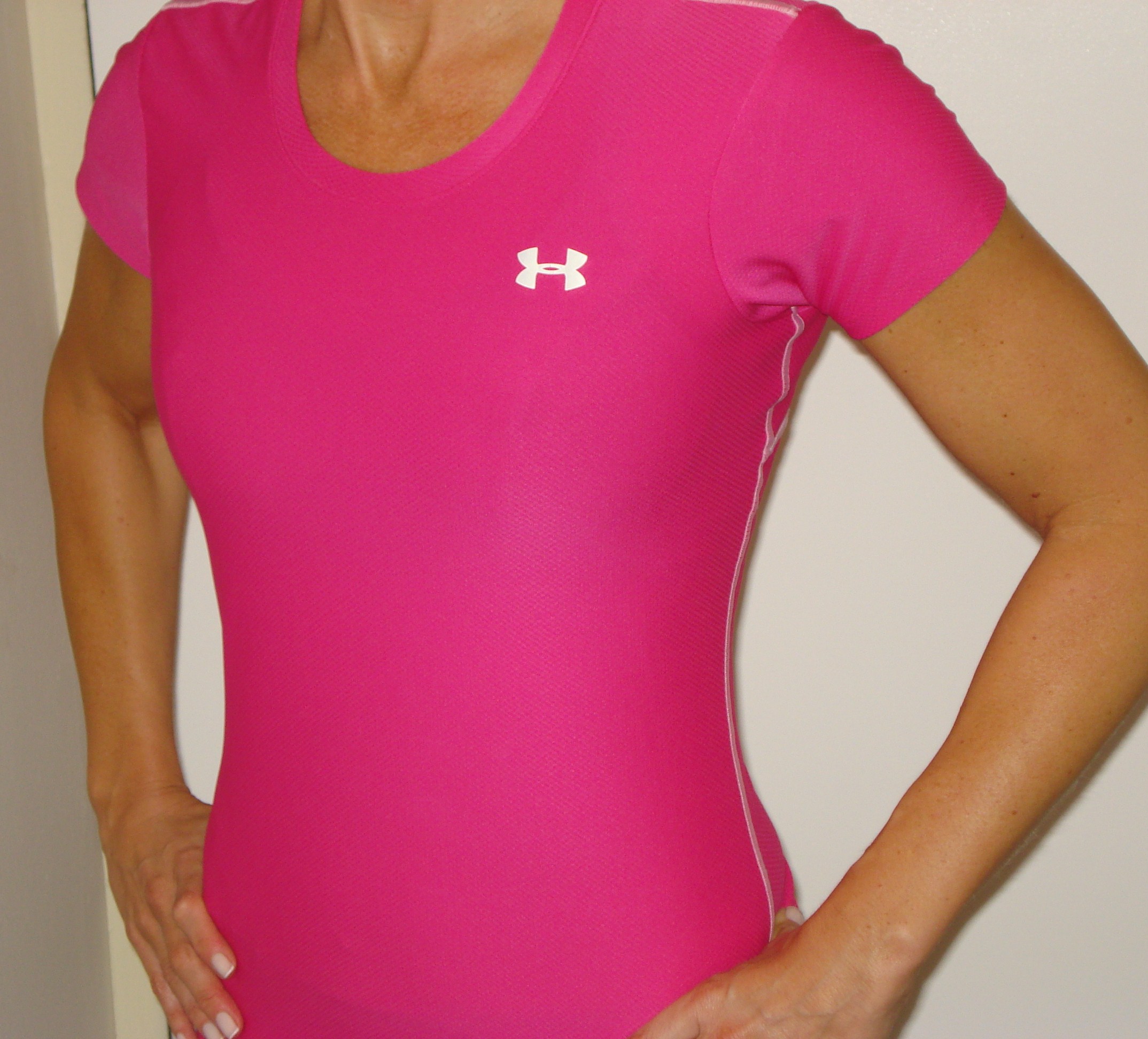 I sweat a lot when I exercise, even on the coldest days of the year. So wearing cotton t-shirts, shorts or pants can be very uncomfortable as they cling to my body and make me feel even hotter. This is why I am a huge fan of clothes that wick moisture away from the skin. They actually make me feel cooler and less constricted. For me, being comfortable is crucial when it comes to getting through even the toughest of workouts.
Adding a couple of these wicking items to your workout wardrobe doesn’t need to break the bank. (Trust me, I’d rather save my dollars for a great pair of shoes or boots!) You can find great deals on brands like Champion, Nike Dri-FIT and Under Armour at stores ranging from Target to Modell’s. These labels aren’t just for the ladies, they have great gear for men and kids, too.
Along with the comfy and cool-inducing clothes, here are my other exercise essentials:
- Proper footwear
- A good sports bra (that also wicks moisture away from the body)
- Music that makes me move
- Water
- A ponytail holder to keep my sweaty hair out of my face
You’ve made the commitment to take better care of yourself through exercising, so why not “pamper” yourself a bit to make the activity as enjoyable as possible? Instead of throwing in the towel when things get too hot, something as simple as a comfy tank top can help you stay on the right track so you can have fun, be fit and feel fabulous!
Desperately Seeking Sleep
So you made up your mind to start eating healthier foods and exercise. You cut back on sweets, started eating more fruits, veggies and whole grains and added some sort of physical activity to your daily routine three to five times each week. You feel better, but your energy level isn’t optimal. If that’s the case, you’re probably missing out on the one thing most people can’t seem to get enough of: sleep.
Why do we need sleep? Research shows along with helping us stay energized, sleep helps regulate our mood and learn and retain valuable information. There are even studies out there linking inadequate sleep to weight gain. I love to sleep, but unfortunately, thanks to my type A personality, my mind often keeps me from enjoying this necessary pastime.
 On one such night not too long ago, I thought I’d experiment with something I hoped would help me, a popular over-the-counter relaxation shot called “Dream Water.” (You’ll usually find it not far away from the “5-Hour Energy” shots in the drug store.) According to the product’s website, the 2.5-ounce shot contains three active ingredients to produce relaxation and sleep:
- Gamma-Amino Butyric Acid (“GABA”)
- Melatonin
- 5-HTP
I liked the shot’s blueberry flavor, but did it help me sleep? I doubt it. While I didn’t experience any negative side effects like I did when I tried the 5-Hour Energy shot last month, I didn’t notice any changes in my relaxation level to make me want to run out and buy some more.
If you have any surefire ways to promote sleep, I would love to hear from you! Right now, the only “tricks” that do work for me (though not every time) include:
- No caffeinated beverages after 3 pm
- Wrapping up my workout at least two hours before getting into bed
- A hot shower
- 300 Micrograms (mcg) of Melatonin
I also highly recommend leaving the texting and typing outside the bedroom and read a book or magazine instead.
If you’ve made the commitment to take better care of yourself, don’t overlook the power of sleep and its cruicial role in helping all of us have fun, be fit and feel fabulous!
Should I Exercise When I’m Sick?
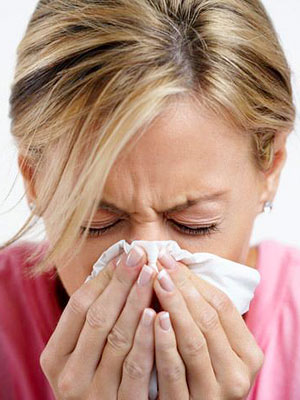 One of the benefits of exercise is that it boosts your immune system. However, even the biggest fitness fanatics can get sick now and then thanks to a laundry list of reasons including:
-
Mental stress
-
Lack of sleep
-
Poor nutrition
For me, when I have a series of days filled with 5-am call times, outdoor shoots in cold or hot weather, tight deadlines, a too-full social calendar and not enough sleep, I can actually feel my body getting rundown. Sure enough, I am heading into this weekend battling the classic symptoms of a common cold – a sore throat, serious head congestion and fatigue. So, I figured it was the perfect time to tackle the question of whether it’s good or bad to workout when you’re sick.
The American College of Sports Medicine has outlined what you could call the “above/below-the-neck rule.” If your symptoms are like mine, studies show mild-to-moderate exercise isn’t harmful. This could include low/moderate intensity cardio, which is a cardiovascular workout that almost constantly keeps your heart rate in a range that is between 60-80% of your maximum heart rate. (Reminder: to calculate max heart rate: 220-your age) However, ACSM recommends you skip the heavy weight training or high-intensity cardio until you do beat your cold. Working out at too high an intensity when you’re fighting a bug puts extra stress on the body and can further compromise the immune system.
One note if you are able to exercise and you head to a gym: do your fellow gym members a favor and wipe down any equipment you use with the anti-bacterial spray that’s sure to be made available by the facility. It’s just common courtesy.
As for the below-the-neck rule: If you have stomach issues that include vomiting, diarrhea, a severe cough or a fever, ACSM says you should take a break from exercise until whatever’s ailing you has run its course. Also, if you’re knocked out by a serious bug for several days, remember to take it easy on your first day back in action. Your body could be recovering from mild dehydration and overall fatigue, so don’t jump out of bed and rush back to your highest-intensity cardio class as soon as your fever breaks.
I’ve said it before and I’ll say it again: listen to your body! This morning, I planned to get in a pre-work workout because of after-work plans, but when my alarm went off, I was simply too tired and too achey to get out of bed. Instead, I added a couple of extra blocks to my walk to work by going to a different place to get my morning coffee. I truly believe getting that extra hour of sleep will help me beat this bug faster than if I had pushed myself too hard.
While a minimum of one day of rest each week is important, when you’re sick, you may need one (or two) more. Don’t sweat it. Just rest up, drink your fluids and before you know it, you’ll be back on your feet so you can have fun, be fit and feel fabulous!


 lauralovesfitness